lower cost per lead, with no increase in spend
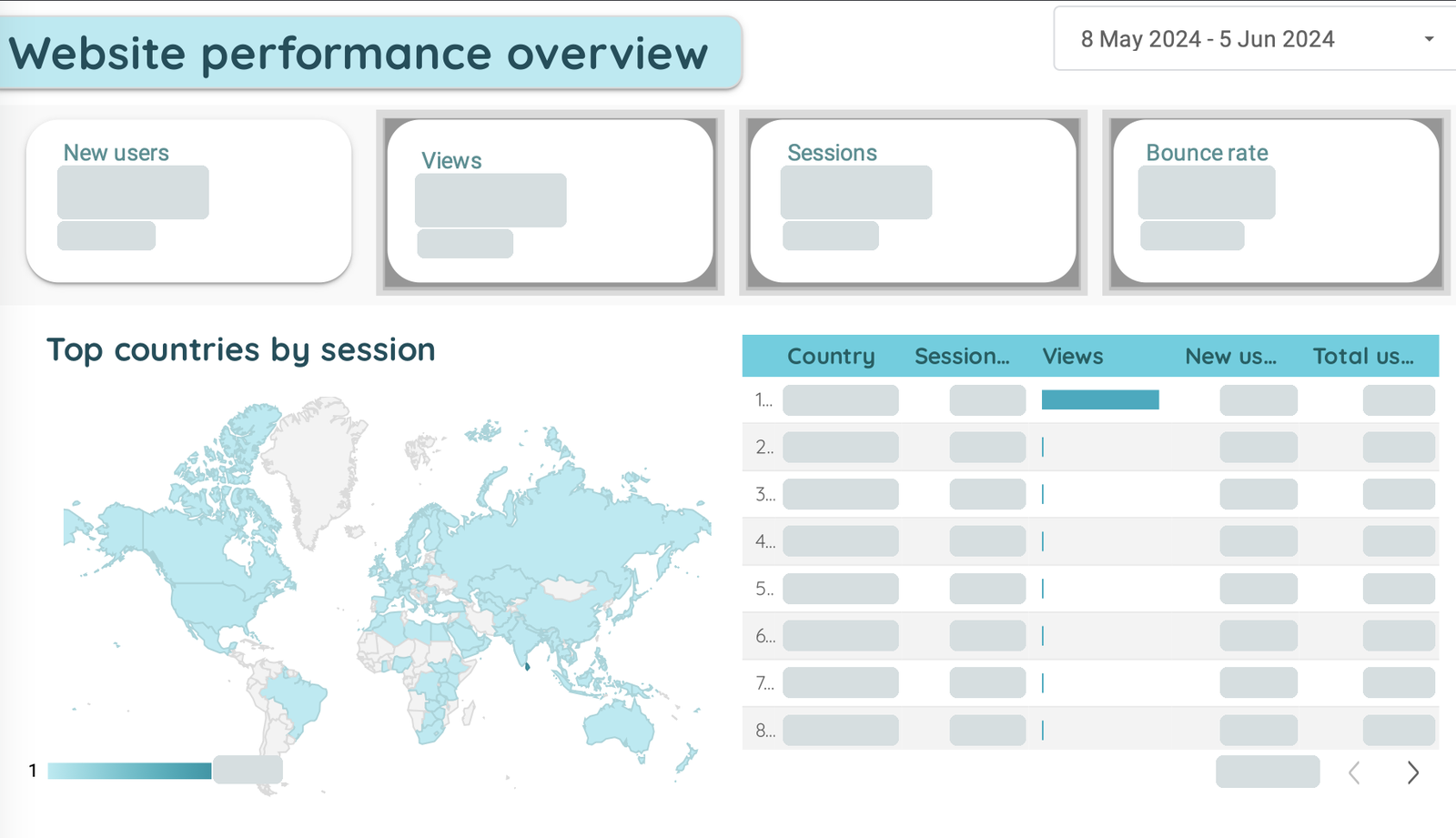
Ending budget arguments with one shared view.
Case study
A client brief passed through five people before a designer saw it.
Project overview
At InspireX, a client brief passed through five hand-offs before it reached a designer, revisions arrived from five directions at once, and the director often received work that hadn't been proofread. I mapped the briefing, revision and approval process as it really worked, and proposed a simpler one: one joint briefing for every team, one consolidated round of internal revisions, and two proofreading checks before anything reached the director. The agency adopted it.
Approach
Map the process as it actually runs, not as people think it runs.
Cut hand-offs: everyone who needs the brief hears it once, together, from the client.
Give every revision a single route and every artwork a quality check before it reaches the director.
01 · Where it started
InspireX is a marketing agency producing artwork and campaigns for many clients at once. Every piece of work involved the sales, digital, strategy and creative teams, the agency's director, and the client.
02 · What was in the way
Work was slow and quality was slipping, and no one could see the whole process. A client's brief passed through five hand-offs before reaching a designer, losing detail at each step. Designers had questions only one person could answer, and files the client hadn't sent yet. Revisions came from every team and the client separately, often unclearly over WhatsApp or differently on calls, with working files shared in chats. With so many rounds, there was no time to proofread, and the director received half-finished work.
03 · What was mine
Manager of Strategic Planning (from Management Trainee), InspireX
I mapped the existing process, diagnosed where it broke, designed the new process, and presented it as a proposal to the agency's leadership. [Confirm your role in rolling it out.]
04 · What I did, step by step
Before
Five hand-offs before a designer saw the brief, with detail lost at each one.
After
Every team hears the brief once, together, with the files provided up front.
Before
Changes arrived from five sources at once, each sent separately.
After
One round of internal changes, in writing, before the work goes to the client.
Before
Work went straight to the director, unchecked, with no time to proofread.
After
Two proofreading checks before anything reaches the director.
Briefing: traced how a client brief moved from sales through digital, strategy and the creative lead before reaching designers, and listed what went wrong: information lost at each step, delays, people left out, and questions designers couldn't get answered.
Revisions: mapped how the digital, sales and strategy teams, the director and the client each sent changes to the first draft separately, often unclearly over WhatsApp and differently on calls.
Approvals: showed how the volume of revisions in Notion, under time pressure, left no time to proofread, so the director received work that didn't meet expectations.
Joint briefing: for every new client and every monthly plan (for example, mid-November for December), the sales, digital, strategy and creative teams receive the brief together, with the content calendar, working files and dimensions provided up front.
A one-day target for the first draft, followed by the director's review, one revision, a second draft and client approval.
An urgent-work route: one point of contact takes the brief, the teams receive it together, and every request is put in writing, so expectations don't shift and changes don't come from several people at once.
Consolidated revisions: the digital, sales and strategy teams' changes are combined into one round with the director's, before the work goes to the client.
Two-step proofreading: the designer and then the creative lead check every artwork, and the digital and strategy teams collect their final checks in Notion before the director sees it.
Presented the proposal to the agency's leadership, setting out the expected benefits for clients, the business and the team.
The agency adopted and implemented the new process.
05 · What changed
The proposal set out to reduce errors, protect the agency's reputation, raise client satisfaction and loyalty, make room to take on new clients, and reduce pressure on the team.
06 · Learnings
Most process problems are hand-off problems. Drawing the process as it actually runs, with every arrow, made the fix obvious to everyone in the room, and that's what got it adopted.
lower cost per lead, with no increase in spend
Ending budget arguments with one shared view.
digital’s share of APIIT enrolments over five intakes
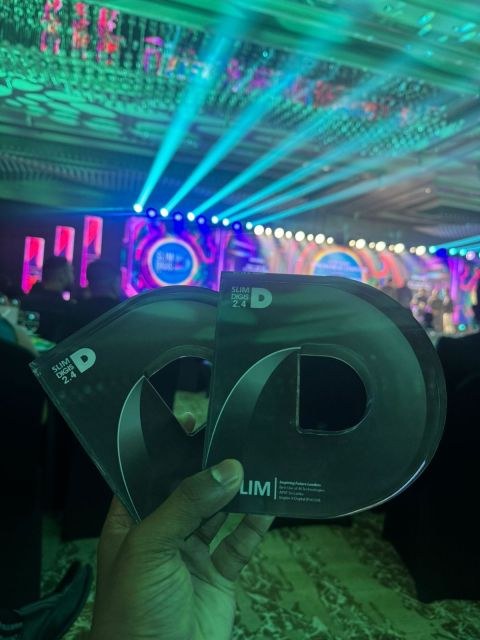
Three AI-generated students, one for each school, and two national awards.
These were team results.
“Sri Lanka's first fully end-to-end AI-generated campaign” is InspireX's own description.
Want the bigger picture at InspireX?